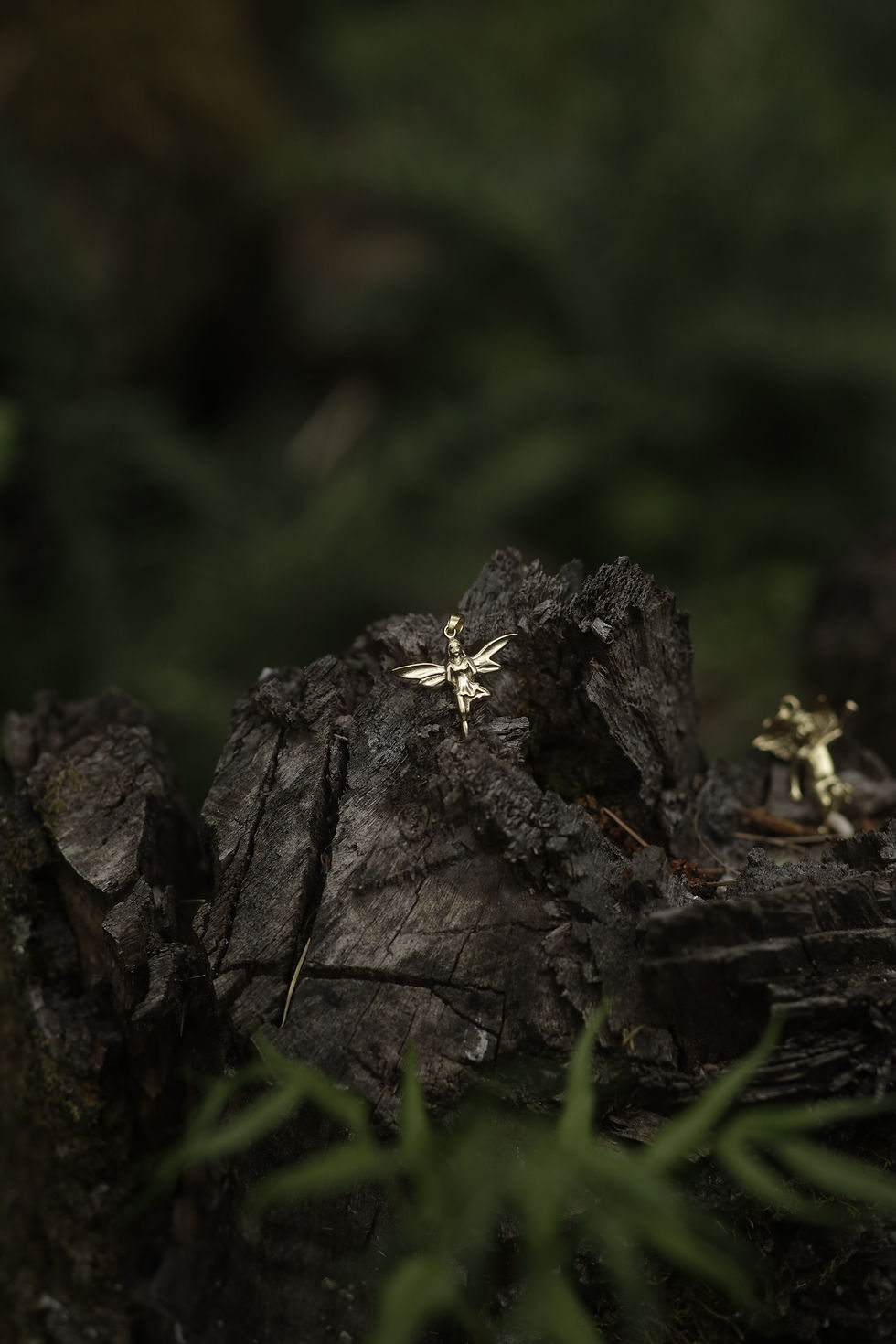
Myrkherimr Beyond Clothing Wearable Style That Feels and Captivates

Some clothes are worn for fit. Some are worn for fashion. The rare ones stay with you because they carry a feeling before anyone says a word.
That is the space Myrkherimr belongs to. It is clothing, yes. It can include jewellery, objects, textures, layers, and visual details. But the deeper idea is bigger than a wardrobe. It is the pull of something wearable that means something. Something that catches the eye, then holds attention because it feels personal.
Style often gets reduced to being liked. A compliment, a photo, a glance across the room. Those things can be nice, but they are not the full story. The strongest style does not stop at approval. It creates a mood. It gives the wearer presence. It turns fabric, metal, shape, and colour into a language.
Myrkherimr Beyond Clothing Wearable Style That Feels and Captivates is best understood through that lens. It is a way of seeing clothing as an experience, not just an item.

Style becomes powerful when it can be felt
Clothing touches the body before it reaches anyone else’s eyes. That may sound simple, but it changes everything.
A piece can look impressive and still feel empty. Another piece can be quiet, even minimal, yet create a deep sense of identity. The difference often comes from how it feels when worn. Weight, softness, structure, movement, and fit all shape the experience.
A heavy oversized jacket can create confidence. A soft worn-in layer can feel protective. A sharp collar can make the posture change. A ring with an unusual surface can become a small personal ritual, something the hand returns to during the day.
This is where wearable style becomes more than decoration.
Feeling gives style memory. A person may forget the exact cut of a garment, but remember how it made them move. They may not know the name of a fabric, but remember the mood it created. That is part of the emotional power behind strong clothing and jewellery.
Myrkherimr, as an idea, leans into that kind of memory. It suggests that wearable objects should not only sit on the body. They should connect with it.
That connection can come from:
Rough and smooth textures placed together
Loose shapes that allow movement
Small details that reveal themselves slowly
Colours that feel grounded rather than loud
Jewellery that looks touched, aged, carved, or meaningful
Cuts that change the way the wearer stands
This does not mean every piece must be dramatic. Feeling can be quiet. A simple black shirt with the right fall can carry more attitude than a heavily decorated garment. A plain silver chain can feel stronger than something oversized if it belongs naturally to the person wearing it.
The point is not excess. The point is presence.
The eye is attracted to meaning, not only beauty
Visual attraction is often treated as something instant. Bright colour. Shiny metal. A bold print. A dramatic silhouette. These can all catch attention, but lasting attraction usually has more depth.
The eye stays when it senses intention.
A garment that looks carefully layered invites a second look. A piece of jewellery that seems handmade feels different from something generic. A faded tone, an uneven texture, or an unexpected shape can make the viewer wonder. That pause matters. It turns looking into noticing.
Myrkherimr is strongest when seen as wearable meaning. The style does not need to explain itself fully. It only needs to suggest that there is something behind it.
That “something” may be:
A personal story
A mood
A cultural memory
A love for craft
A darker or softer aesthetic
A refusal to dress in a predictable way
A desire to feel seen without shouting
In India, where clothing already carries strong emotional and cultural weight, this idea feels familiar. People understand that what is worn can mark a festival, a family moment, a region, a belief, or a turning point in life. Even everyday dressing often blends comfort, identity, practicality, and beauty.
Myrkherimr can sit within that wider understanding. It does not need to copy tradition to respect meaning. It can treat modern wearable style with the same seriousness people often give to special garments, heirloom jewellery, or handmade textiles.

The most captivating style often uses contrast. Soft fabric beside hard metal. A clean shape with a raw edge. A dark base with one warm detail. These choices create rhythm without needing noise.
When style has meaning, it also becomes harder to replace. Fast trends lose power because they are built on quick attention. Wearable meaning lasts because it belongs to the wearer’s inner world.
Clothing and jewellery become a personal language
People speak before they speak. Posture, pace, expression, and clothing all communicate something. That does not mean every outfit needs a message. But whether planned or not, style creates an impression.
The question is whether that impression feels true.
Myrkherimr’s appeal lies in treating clothing and jewellery as a personal language. Not a costume. Not a performance for approval. A language that can shift with mood and still feel connected to the same person.
Consider how different wearable choices change the message:
A loose black layer with rough texture
A fitted piece with a strong shoulder line
A simple pendant on bare skin or plain fabric
Layered rings and uneven metal surfaces
Soft neutral tones with one dark accent
Feels guarded, calm, and grounded
Feels direct and controlled
Feels intimate and intentional
Feels tactile, artistic, and personal
Feels restrained but memorable
The strongest style systems allow this kind of movement. A person can dress softly one day and sharply the next without losing identity. The link may come from colour, texture, jewellery, silhouette, or mood.
This is why “being liked” is too small a goal. Approval can change depending on the room. A personal language stays steadier. It gives the wearer a centre.
Captivating style does not beg for attention. It creates a clear atmosphere.
That atmosphere may be mysterious, romantic, raw, minimal, spiritual, streetwise, or calm. It may borrow from art, music, memory, architecture, or nature. What matters is that the pieces feel chosen, not random.
This is also where jewellery matters. Jewellery often sits close to the skin. It can feel almost like a sign, a charm, or a small piece of armour. A ring, chain, cuff, earring, or pendant can carry meaning far beyond its size.
A plain outfit can become memorable with one personal object. A layered outfit can feel complete when the metal, beads, stones, or carved details match its mood. Jewellery can sharpen softness, soften severity, or add human warmth to a clean look.
In this sense, clothing and jewellery are not separate. They work together as one visual and physical experience.
Wearable style needs comfort, craft, and character
A piece can look captivating for five minutes and fail after one hour. If it cannot be lived in, it remains a visual idea. Wearable style needs the body’s trust.
Comfort does not mean shapeless or plain. It means the piece has been considered. It allows movement where movement is needed. It sits well on the body. It does not fight the wearer all day. Even structured pieces can be comfortable when the balance is right.
Craft also matters. Not only expensive craft, but thoughtful craft. The way a seam sits. The feeling of a hem. The weight of a clasp. The finish of a ring. The fall of a sleeve. These details tell the wearer whether the piece has care in it.
Character is the third part. Without character, comfort and craft can still feel flat. Character gives a piece its emotional charge.
A wearable piece with character may include:
An irregular surface
A shape that feels slightly unexpected
A colour that changes with light
A detail placed where only the wearer often sees it
A texture that invites touch
A silhouette that feels strong from every angle

The phrase “wearable stuff that means” points to this exact idea. Clothing and accessories should not exist only as products. They should become part of daily life in a way that feels meaningful.
That meaning does not have to be explained to everyone. In fact, some of the strongest pieces hold private meaning. A certain jacket may remind someone of a turning point. A pendant may feel protective. A colour may connect to a memory. A texture may create calm.
When clothing earns that kind of place, it becomes more than a look.
It becomes something the wearer reaches for again and again because it feels right.
How to recognise style that captivates
Captivating style is easier to feel than define. Still, there are signs that a piece or outfit has depth.
It holds attention from more than one distance. From far away, the shape works. Up close, the texture or detail rewards the eye. On the body, it changes with movement. Over time, it continues to feel relevant.
Here are a few ways to recognise it.
It has a clear mood
The mood may be dark, soft, earthy, sharp, calm, or poetic. But it should feel clear. When too many unrelated ideas compete, the look becomes confused.
A clear mood does not mean every piece matches perfectly. It means the pieces belong to the same emotional world.
It feels good to wear
If a garment only looks good in a photo, its power is limited. A strong wearable piece works in real life. It can be walked in, sat in, touched, layered, and repeated.
The best pieces improve through use. They begin to hold the shape, scent, and rhythm of the person wearing them.
It has one memorable detail
A captivating look rarely needs ten loud features. One strong detail can be enough.
That detail might be a sleeve shape, a metal pendant, a raw edge, a deep colour, a textured panel, or the way two layers meet. The eye needs a place to land.
It feels personal rather than copied
Trends can inspire, but copying them too closely drains the life from style. Personal styling changes the energy. It may mean wearing a common piece in an uncommon way. It may mean mixing old and new. It may mean choosing restraint when others choose excess.
The best sign of personal style is recognition. People can sense when a look belongs to the wearer.
It leaves an afterimage
Some outfits disappear as soon as they pass. Others remain in memory. The afterimage may come from colour, movement, texture, or attitude. That lingering effect is the heart of captivating style.

The real value is presence
Myrkherimr points towards a richer way of thinking about what we wear. Clothing can cover the body, decorate the body, or shape the way a person feels inside the body. Jewellery can shine, or it can become a sign of memory, mood, and selfhood.
The difference is presence.
Presence is not the same as loudness. It does not require bright colours, oversized logos, or constant attention. Presence comes from alignment. The garment, the object, the wearer, and the feeling all seem to belong together.
That is why wearable style can be both visual and emotional. It attracts the eye, but it also gives the wearer something private. Confidence. Calm. Edge. Softness. Strength. Mystery. Ease.
A strong piece does not need everyone to understand it. It only needs to feel true on the body and clear in the eye. When that happens, clothing stops being just clothing. Jewellery stops being just jewellery. The whole look becomes a lived expression.
Myrkherimr is most powerful when seen this way: as wearable style with feeling, meaning, and visual pull. A style that does not chase being liked. A style that stays because it is felt.
Comments